What impact does the DORA Regulation have on the financial sector?
The Digital Operational Resilience Regulation DORA (EU - 2022/2554) is a key European Union regulation that will be applicable from January 17, 2025. Its purpose is to ensure that financial entities are capable of preventing, withstanding, responding to, and quickly recovering from technological incidents, thereby guaranteeing the continuity of critical services.
With the increasing digitalization of financial services, the risks associated with technological infrastructure—such as cyberattacks, system failures, or human errors—have grown significantly. For this reason, the DORA Regulation in the financial sector establishes clear requirements to improve the digital operational resilience of financial organizations and protect services essential to the global economy.
Moreover, this regulation introduces a standardized framework across the European Union, reducing regulatory fragmentation and allowing banks, insurers, fintechs, and critical ICT service providers (such as data management, payments, trading, and cloud services), as well as other entities in the financial ecosystem, to adopt a common approach to cybersecurity and technology risk management.
Beyond compliance: Numbers that justify investment in DORA
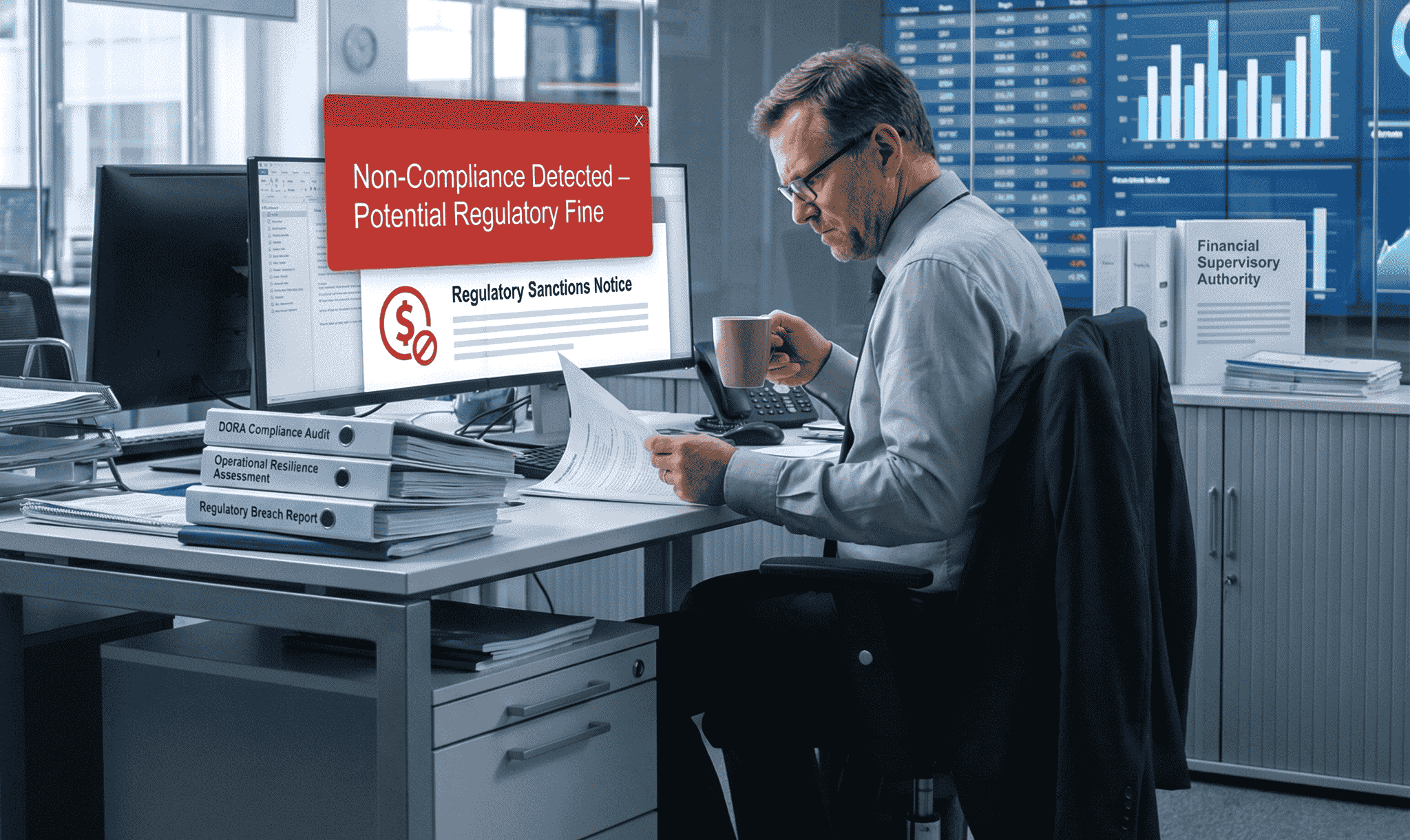
The economic impact of technological and security failures is already a sufficient argument to prioritize operational resilience. According to the IBM Cost of a Data Breach Report 2024, the global average cost of a data breach in financial services amounts to USD 6.08 million, compared to USD 4.88 million in other sectors.
Exposure to third-party risks is a growing challenge in the European financial sector. According to SecurityScorecard's The Cybersecurity of Europe’s Top 100 Financial Institutions 2025 report, 96% of the EU’s leading financial institutions experienced at least one security incident linked to technology vendors or partners in the past year. These incidents, ranging from vulnerabilities and data breaches to third-party system outages, can cause operational disruptions, data exposure, and regulatory risks, highlighting the need for frameworks like DORA to rigorously audit critical third parties.
Additionally, DORA foresees financial penalties for financial entities that fail to meet its requirements, with fines of up to €5 million for individuals or legal entities, or a percentage of annual turnover, depending on the severity of the breach and applicable national legislation, according to DLA Piper’s article DORA Penalty Regimes: Overview of Divergence Among Member States.
Non-compliance with DORA not only exposes financial entities to financial sanctions but also increases operational and reputational risk, reinforcing the need to rigorously implement digital resilience standards and critical third-party management.
In this context, DORA offers clear benefits for different executive roles:
- CISOs (Chief Information Security Officers): The regulation strengthens alignment between security, risk, and audit, allowing prioritization of controls such as SIEM, XDR, and penetration testing. This helps mitigate disruptions and data breaches while facilitating preparedness for regulatory audits.
- CIOs (Chief Information Officers): Tested BCP (Business Continuity Plan) / DRP (Disaster Recovery Plan) requirements, comprehensive inventories of critical assets, and controls over ICT third parties reduce the impact of operational failures and system outages, ensuring business continuity and technological resilience.
- CFOs (Chief Financial Officers): Investment in digital resilience translates into financial stability by reducing economic and regulatory risks. A solid approach to security and third-party management protects revenues and market valuation, while mitigating unexpected costs from serious security incidents and regulatory sanctions.
Overall, investing in DORA turns technological and reputational risks into manageable and defensible variables before the board of directors, positioning digital resilience as a strategic decision with a direct impact on organizational stability and value.
What are the requirements of the DORA Regulation?
The DORA Regulation establishes key requirements to ensure the continuity and robustness of technological systems in financial entities and their ICT service providers.
The requirements of the Digital Operational Resilience Regulation (DORA) cover areas such as cybersecurity, data governance, incident reporting, among others:
- Data governance and ICT risk management
- ICT incident management and reporting
- Digital operational resilience testing
- ICT third-party risk management
- Threat information sharing
These requirements refer to the key elements of the DORA Regulation to ensure digital operational resilience in the financial sector.
First, data governance and ICT risk management involve entities identifying their critical assets, assessing vulnerabilities, and establishing clear policies, controls, and responsibilities to protect essential systems and information.
ICT incident management and reporting ensures that any failure, security breach, or cyberattack is promptly detected, classified, and reported to the competent authorities, following standardized criteria across the European Union. This helps minimize operational impacts and maintain the trust of clients and investors.
Digital operational resilience testing includes crisis simulations, backup restoration, and advanced penetration testing (Threat-Led Penetration Testing or TLPT), verifying that systems, processes, and teams can withstand and recover from severe incidents.
ICT third-party risk management requires entities to audit and supervise their critical providers, establish contractual clauses for security and continuity, and control risks arising from third parties, ensuring that external services do not compromise resilience or data security.
Finally, threat information sharing promotes collaboration among financial entities in secure environments, sharing intelligence on cyberattacks and vulnerabilities to anticipate risks, prevent incidents, and strengthen the resilience of the European financial sector.
Roadmap for regulatory compliance with DORA

Regulatory compliance requires a structured approach that addresses the five key requirements of the Digital Operational Resilience Regulation (DORA) related to cybersecurity and digital operational resilience. The following are the ten main phases that organizations must implement to ensure regulatory compliance:
- Gap Assessment: Identifies deficiencies, vulnerabilities, and deviations from DORA requirements, allowing for prioritized actions and the definition of an effective remediation plan.
- Policies, Roles, and Responsibilities of the Governing Body: Defines the governance structure, establishing who makes decisions, who oversees risks, and how compliance is ensured.
- ICT Risk Framework, Inventories, Controls, and 24/7 Monitoring: Establishes how technological risks are managed, which assets exist, which controls are applied, and how continuous monitoring is conducted to detect threats in real time.
- Incident Taxonomy and RTS/ITS Notification: Standardizes the classification of ICT incidents and defines the necessary processes for formal reporting to supervisors in accordance with regulatory requirements.
- Annual Testing Plan, Crisis Exercises, Recovery, and Threat-Led Penetration Testing (TLPT): Verifies operational resilience through simulations and advanced tests that confirm the organization’s ability to withstand and recover from severe incidents.
- Third-Party Management: Evaluates and monitors ICT suppliers to prevent risks from third parties and ensure they meet DORA’s operational and security standards.
- BCP/DRP: Full Updates and Testing: Updates and validates business continuity and disaster recovery plans, ensuring they function correctly in real-world scenarios.
- Training for Executives and Key Teams: Strengthens staff capabilities through targeted training to improve decision-making and responses to incidents and critical situations.
- Alignment with International Standards: Integrates global frameworks such as NIST, COBIT, or ISO to enhance process consistency and facilitate audits and regulatory supervision.
- Centralization of Evidence and Metrics for Supervisors: Unifies documentation, reports, and metrics in a common repository that makes it easier to demonstrate compliance during inspections and audits.
Continuous Phase – Threat Intelligence Sharing: Shares analysis, alerts, and trends with other entities in trusted environments to anticipate risks and reinforce the overall resilience of the financial sector.
How does the roadmap connect with the DORA Regulatory framework requirements?
| DORA Requirements | Related Phases | Connection |
| Data governance and ICT risk management | 1. Gap assessment 2. Policies, roles, and board responsibilities 3. ICT risk framework, inventories, controls, and 24/7 monitoring | These phases create the governance foundation: they identify vulnerabilities, assign responsibilities, and establish continuous controls to ensure robust ICT risk management. |
| ICT incident management and reporting | 4. Incident taxonomy and RTS/ITS reporting 10. Centralization of evidence and metrics for supervisors | Structure the classification, management, and reporting of incidents, ensuring traceability, regulatory compliance, and timely communication with supervisors. |
| Digital operational resilience testing | 5. Annual testing plan, crisis exercises, restoration, and TLPT 7. BCP/DRP: Updates and full testing | Validate the organization’s actual ability to withstand disruptions by testing plans, systems, and teams under adverse scenarios. |
| ICT third-party risk management | 6. Third-party management | Evaluate, monitor, and control risks posed by technology providers, ensuring they meet the standards required by the framework. |
| Threat information sharing | Continuous phase: Threat intelligence sharing | Promotes collaboration with other entities to anticipate risks, detect patterns, and strengthen the financial sector’s resilience through shared intelligence. |
Key technological solutions for DORA compliance and financial cybersecurity
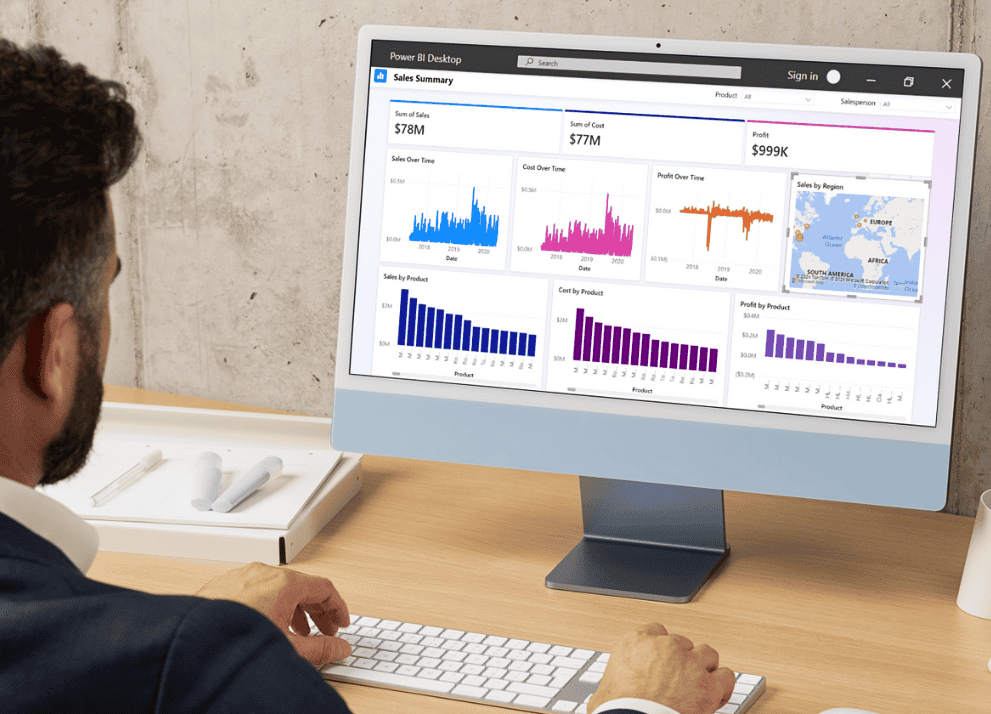
To ensure regulatory compliance with the Digital Operational Resilience Regulation (DORA), technological solutions are required to manage and mitigate technological risks.
Below are some of the key technologies essential for DORA compliance and cybersecurity in your financial organization:
SIEM (Security Information and Event Management)
SIEM is fundamental for real-time monitoring of security events. It allows for anomaly detection, alert generation, data centralization, and facilitates incident response. Additionally, it contributes to audit evidence collection through continuous monitoring, incident taxonomy, and centralized information, providing comprehensive visibility into the digital infrastructure.
XDR (Extended Detection and Response)
XDR provides advanced threat protection across multiple attack vectors, such as endpoints, identities, email, and applications. It enhances incident detection and threat visibility, allowing real-time risk identification and ensuring that security controls are active across all layers. This significantly reduces risks, especially during the management of the ICT risk framework.
Data governance and traceability tools
Data governance is key to ensuring regulatory compliance, particularly in incident classification and reporting. Analysts often use tools like Power BI and Tableau to create intuitive reports and dashboards, facilitating data visualization, analysis, and transparency—critical aspects for maintaining regulatory compliance.
Backup and disaster recovery (BCP/DRP)
Business Continuity Plans (BCP) and Disaster Recovery Plans (DRP) are essential for quickly restoring systems and data after an incident. Efficient backup and recovery solutions are crucial to guarantee operational continuity, especially during BCP/DRP implementation and validation testing phases.
Managed cloud services
Managed services optimize the administration of technological infrastructure and security, ensuring continuous regulatory compliance. They also facilitate centralized risk and evidence management, as well as third-party supervision—key elements for meeting international standards and reinforcing the organization’s operational resilience.
Security audits for DORA (Pentesting and configuration review)
Security audits for DORA help identify vulnerabilities before they become real risks. Both pentesting and configuration reviews evaluate infrastructure, validate the effectiveness of existing controls, and detect potential gaps. These processes are particularly relevant during assessment and testing phases, ensuring the organization is truly prepared to comply with the regulation.
In addition to these technological solutions, cybersecurity training for DORA is an essential pillar to ensure compliance at both organizational and procedural levels. Continuous training not only prepares internal teams to detect and respond to incidents but also fosters a strong security culture, improves decision-making in critical situations, and ensures all team members correctly understand and apply the best practices and protocols established by the regulation.
Why DORA compliance is critical for financial cybersecurity
Compliance is not just a legal requirement; it is an opportunity to strengthen operational resilience.
Integrating cybersecurity technologies and tools for DORA, such as SIEM and XDR, enhances incident detection and response, optimizes IT infrastructure, and facilitates regulatory oversight. This ensures compliance while providing a competitive advantage in the financial sector, where cybersecurity is critical.
At Intelequia, we offer specialized training for executives and key teams, ensuring they understand regulatory requirements, adopt security best practices, and respond effectively to critical situations.
Contact us for a free security assessment! We help strengthen your operational resilience and accelerate your path to compliance through advanced technology and specialized training.